Windshield Repair Services

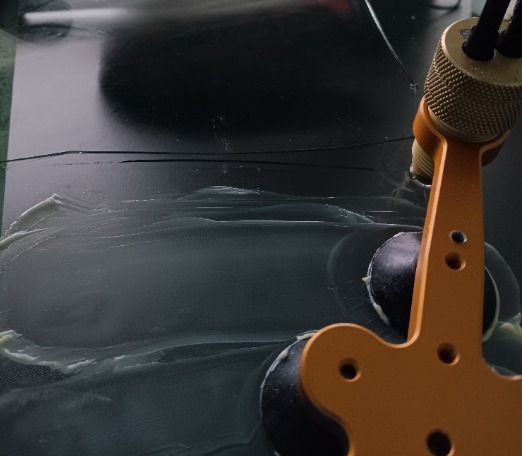
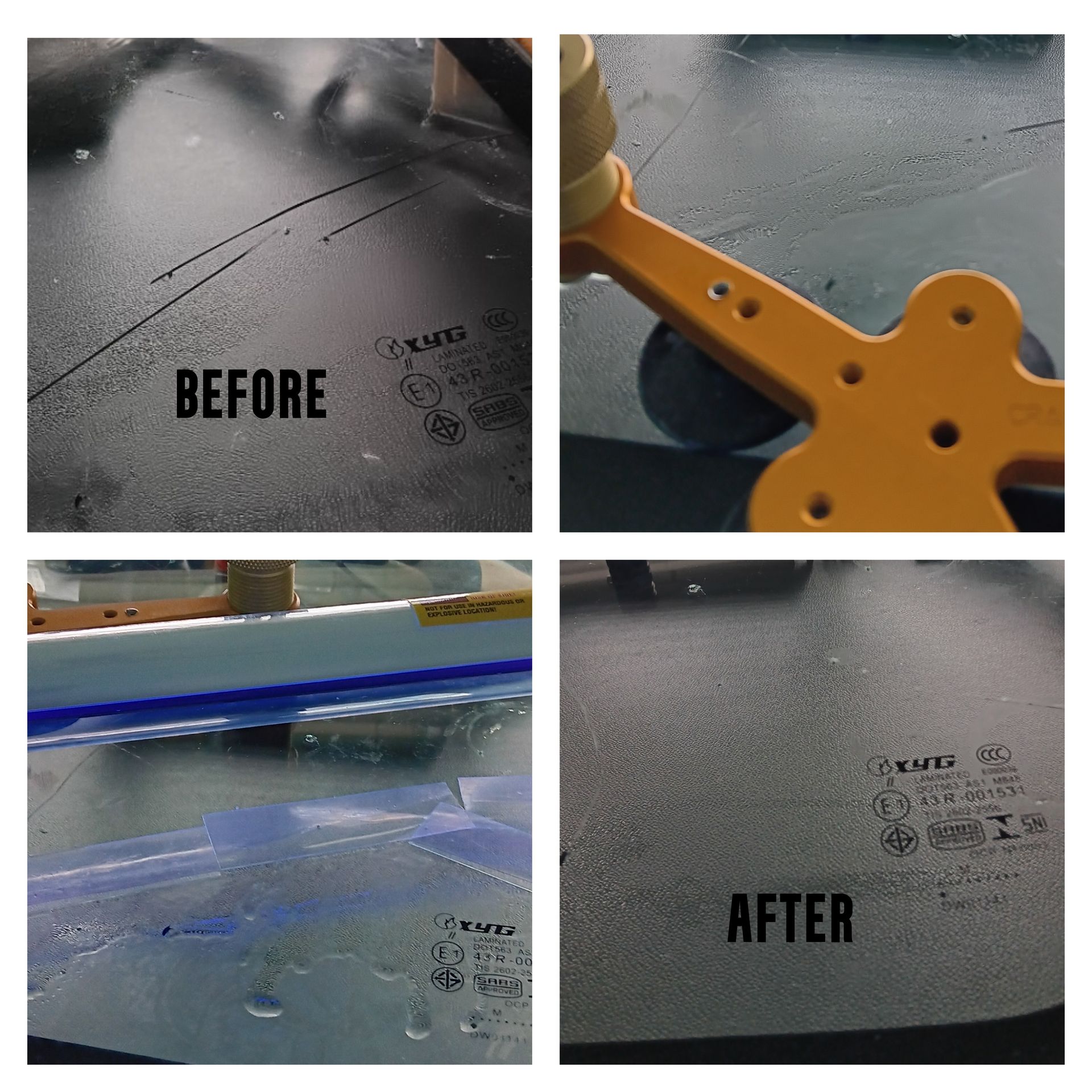
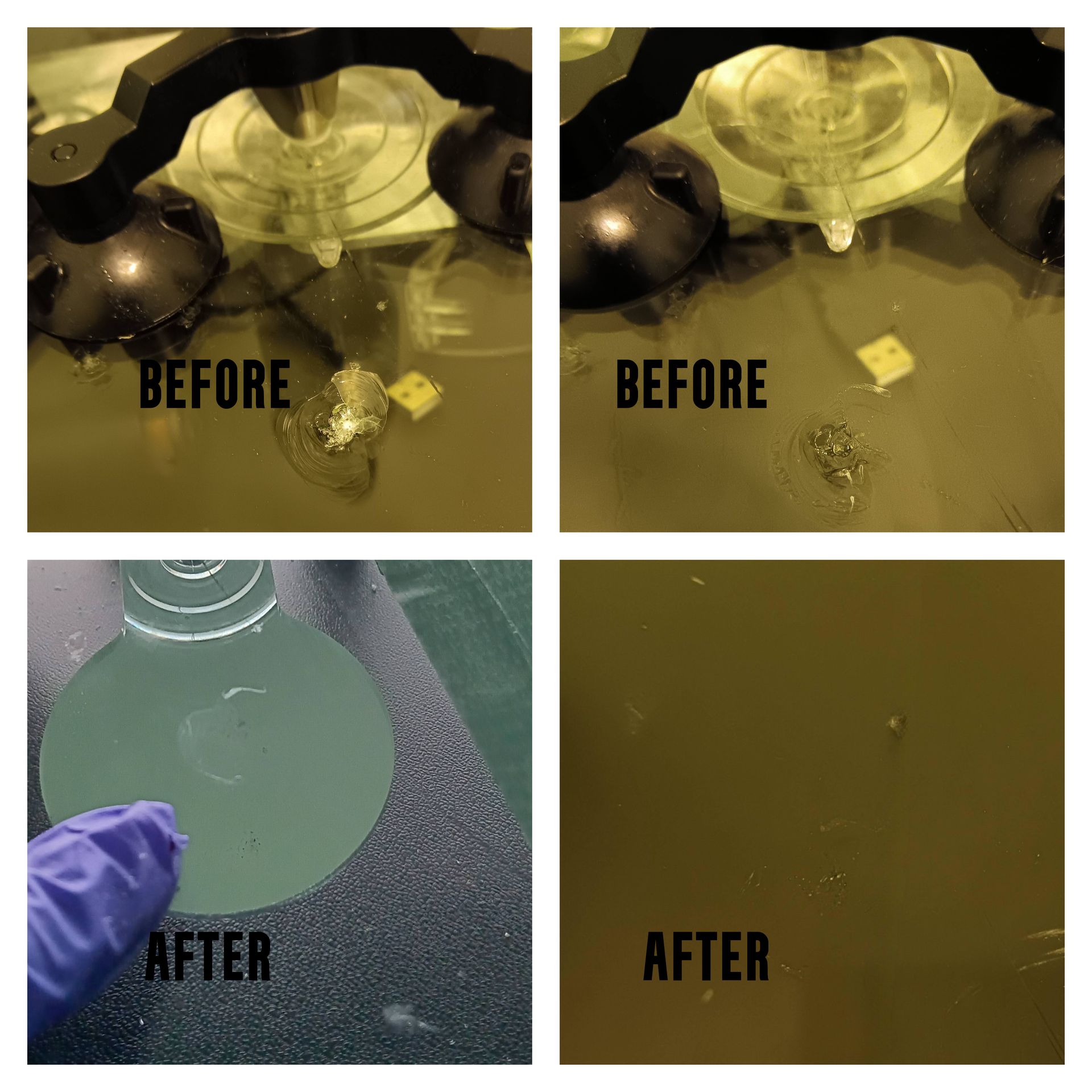
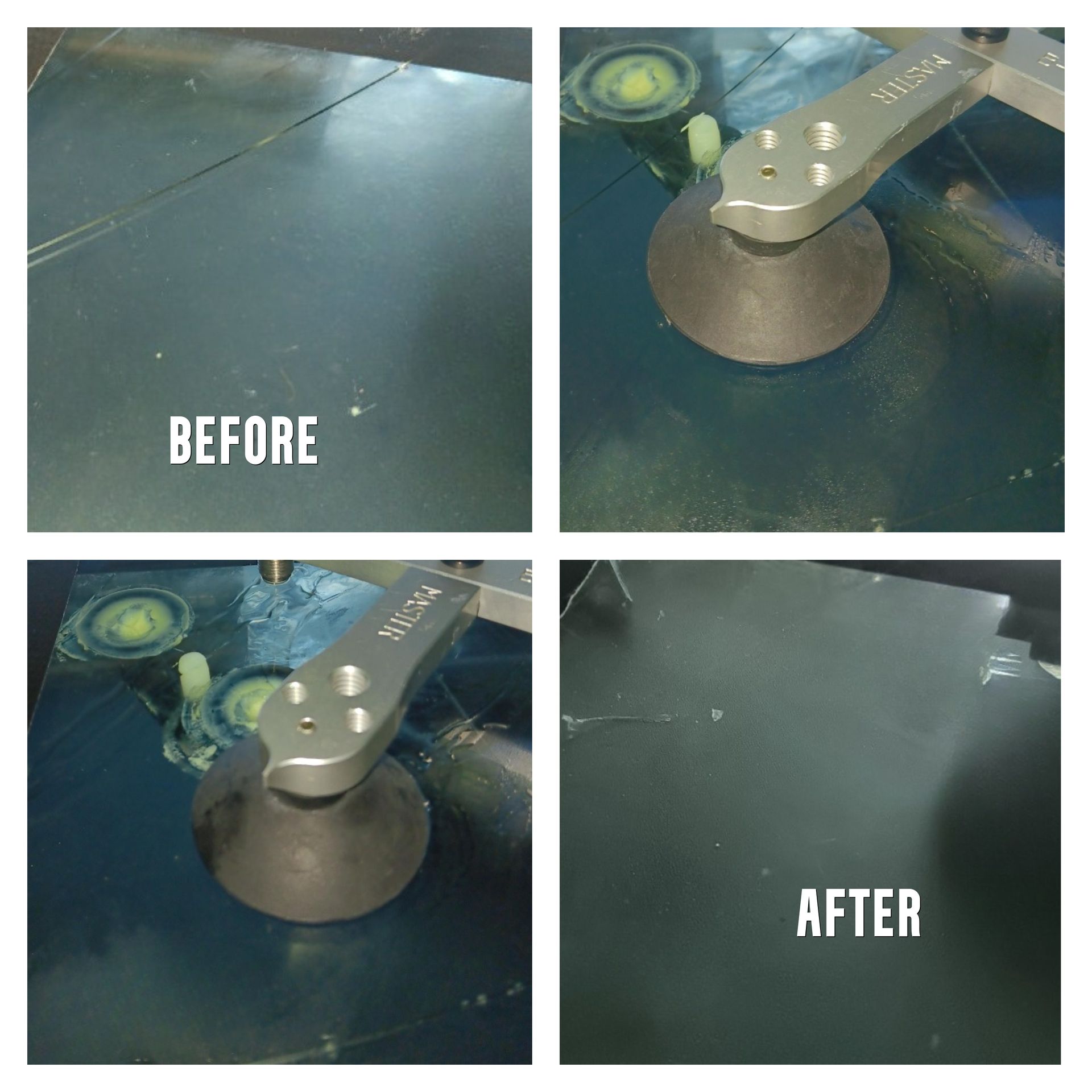
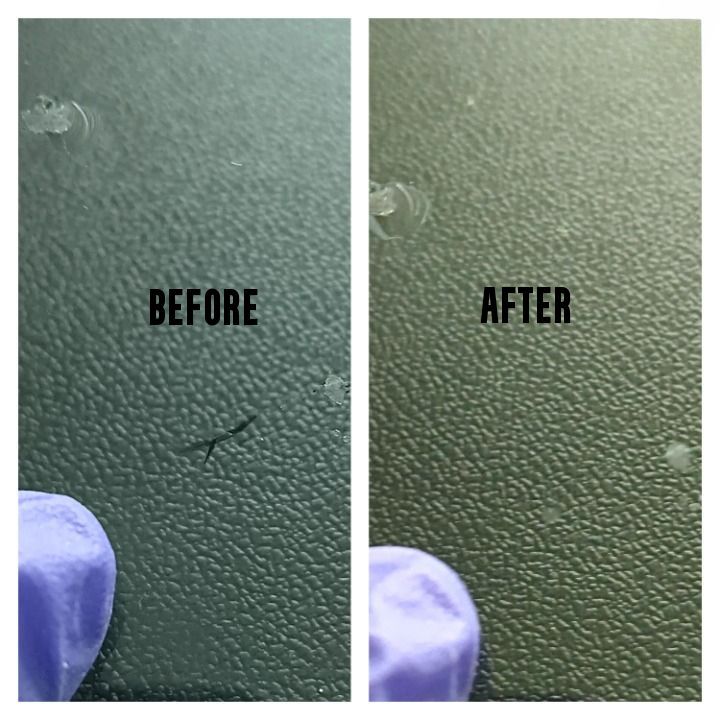
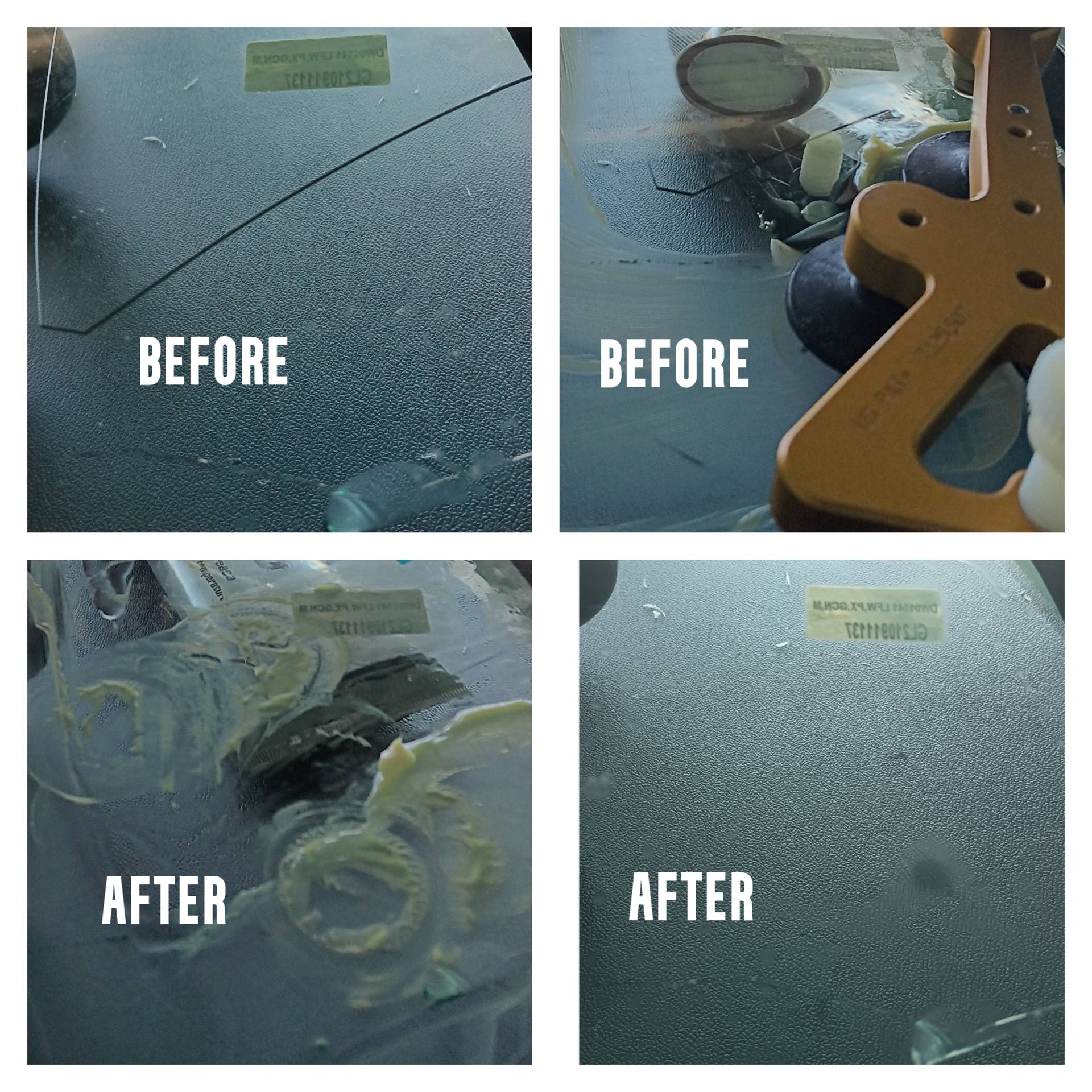
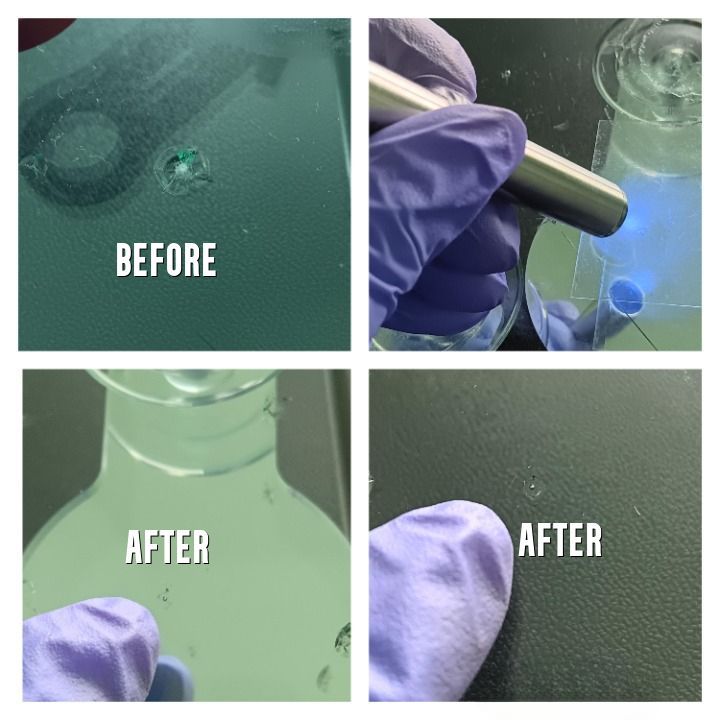
Crack Repair
"Think of a small rock chip like a tiny rip in a pair of jeans. It might look small today, but every time you move—or in this case, drive over bumps or use the defroster—that tension puts stress on the fabric, causing the rip to spread into a long tear.—which is why your small chip can turn into a 12-inch crack overnight or over a few days." to learn more. keep reading below.
Protection Strategies.
1. Maintain Distance & Switch Lanes (The "Buffer Zone" Rule)
At The Glass Chemist, I know the best repair is no repair at all. Keep a 'Buffer Zone' between you and the car ahead—especially dump trucks, construction vehicles, or during winter when road salt is flying. More distance equals fewer chips.
Driving directly behind a vehicle (especially trucks, SUVs, or construction vehicles) puts your windshield in the direct trajectory of debris kicked up by their rear tires. Vehicles with four rear tires (semi-trucks, dump trucks) pick up and throw twice as many rocks. Switching lanes reduces the chances of catching "straggler" rocks. But sometimes even when switching lanes, your windshield could still get hit. But it's well worth a try for protection.
Heat Shielding
Your windshield is your primary safety shield. Intense heat and UV rays can break down
the windshield's integrity. Use a sunshade, park in the shade,
High-quality sunshades reduce interior temperatures, keeping the glass cooler and protecting
the dashboard.
- Parking in the Shade: to reduce thermal stress in your windshield. and other windows is to park in shaded areas or garages. if you can,
- Cool Down Gradually: Avoid blasting the AC directly on a hot windshield. Instead, roll down the windows a little to let hot air escape then roll you windshield back up, and raise the AC temp gradually.
- What I use to Prep: Before I perform a windshield repair under the intense heat of the sun, I take the time to prepare the windshield properly. I utilize an infrared thermometer to measure the precise temperature of the windshield, and utilize a heavy-duty, large-diameter specialized utility umbrella to cool it down and safeguard it from the premature curing of the resin caused by the sun. Additionally, I use a heat exchanger aluminum tool to extract heat and cool the area around the damage effectively.
Frost Defense.
Never Use Hot Water: Pouring hot water on a frozen windshield can cause it to shatter due to sudden temperature change (thermal shock
"Let it thaw slowly. When you start your car in the freezing cold, turn on your defroster on a low setting first, then increase the heat gradually as the engine warms up. This prevents the inner layer of the glass from heating too rapidly compared to the outer layer."
for a seal to keep your windshield from freezing. Mix one part water, two parts isopropyl alcohol, and just a few drops of dish soap this will act as a De-icer
to protect your windshield in the winter.
lukewarm or room temperature water only.
or you can use Prestone Windshield De-Icer in liquid or Aerosol.
What I use to Prep: Before I begin, I use an infrared thermometer to accurately gauge the temperature of the windshield. While wearing nitrile gloves for safety, I warm the resin and the injector by rubbing them between my hands to transfer body heat. Next, I utilize my moisture evaporator heating tool to thoroughly warm the windshield before applying the resin. I then utilize my heat exchanger tool specifically designed for windshield repairs in cold conditions. This tool effectively raises both the glass and resin to an optimal temperature, ensuring ideal resin flow and curing. It provides controlled, consistent heat, reducing the risk of rapid or uneven heating that could lead to crack expansion.
Understanding Windshield Cracks
- "Glass breathes, and that's the problem."
"At The Glass Chemist, I know that glass expands when hot and contracts when cold. If you blast your AC on a hot day, or your heat on a freezing day, that fast change makes the glass 'move.' If there’s a chip, that movement forces it to crack."
The 'Ping' is just the beginning."
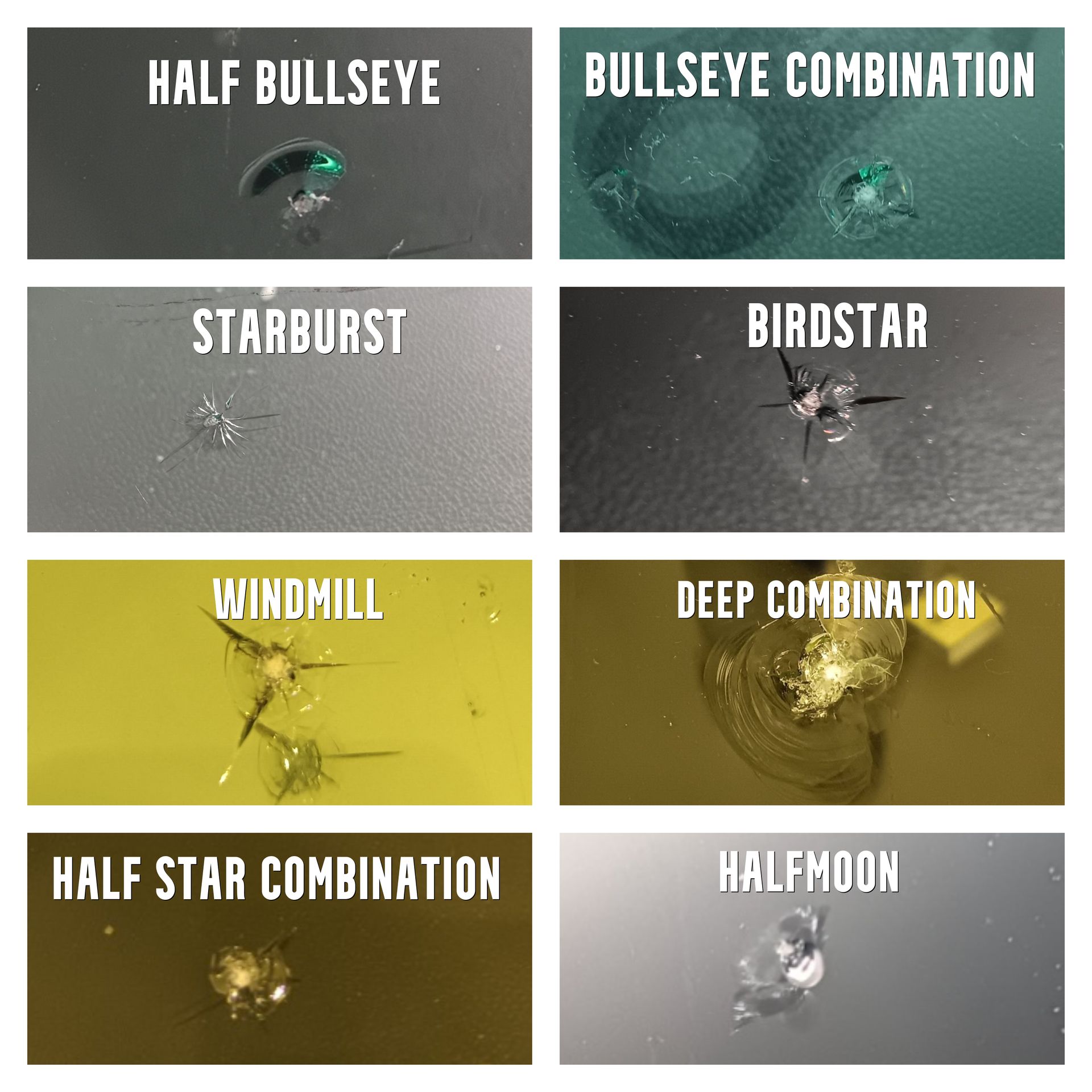
"When you hear that 'ping' on the highway, it's not just a noise. A tiny stone has created a 'star break' or 'bullseye.' If not sealed, dirt, water, and vibration will make that small point spread into a long, messy line.
“Dirt and Contamination”
Windshield chips and cracks can quickly attract dirt, moisture, and other contaminants, with serious contamination often occurring within just a few days. While some debris settles immediately upon impact, the build-up of dirt, washer fluid, and grime usually renders a repair less effective or even invisible if left unattended for over a week. However, chips or cracks that are less than or more than 6 months old are generally still repairable, and I've even successfully repaired chips and cracks older than that. but some may not be as clear as the fresh chips or cracks, that or one day. or a week old.
"Identifying and Removing Moisture"
Much like crawl spaces, basements, attics, walls, insulation, wood, paper, carpets, mattresses, and HVAC systems, moisture can infiltrate all these areas through chips or cracks. Damage occurs when these areas are exposed to moisture, particularly during rainy, snowy, or icy conditions, especially when followed by freezing temperatures. The moisture seeps into the openings, freezes, and expands, further exacerbating the damage. High humidity, frost, and rapid cycles of thawing and freezing also contribute to water intrusion.The tool i usually use. is a Moisture Evaporator (12V): A specialized tool placed directly over the damage for to turn moisture into vapor to dry. or a special Rain resin to dry moisture water from the damage.
"The Edge Crack"
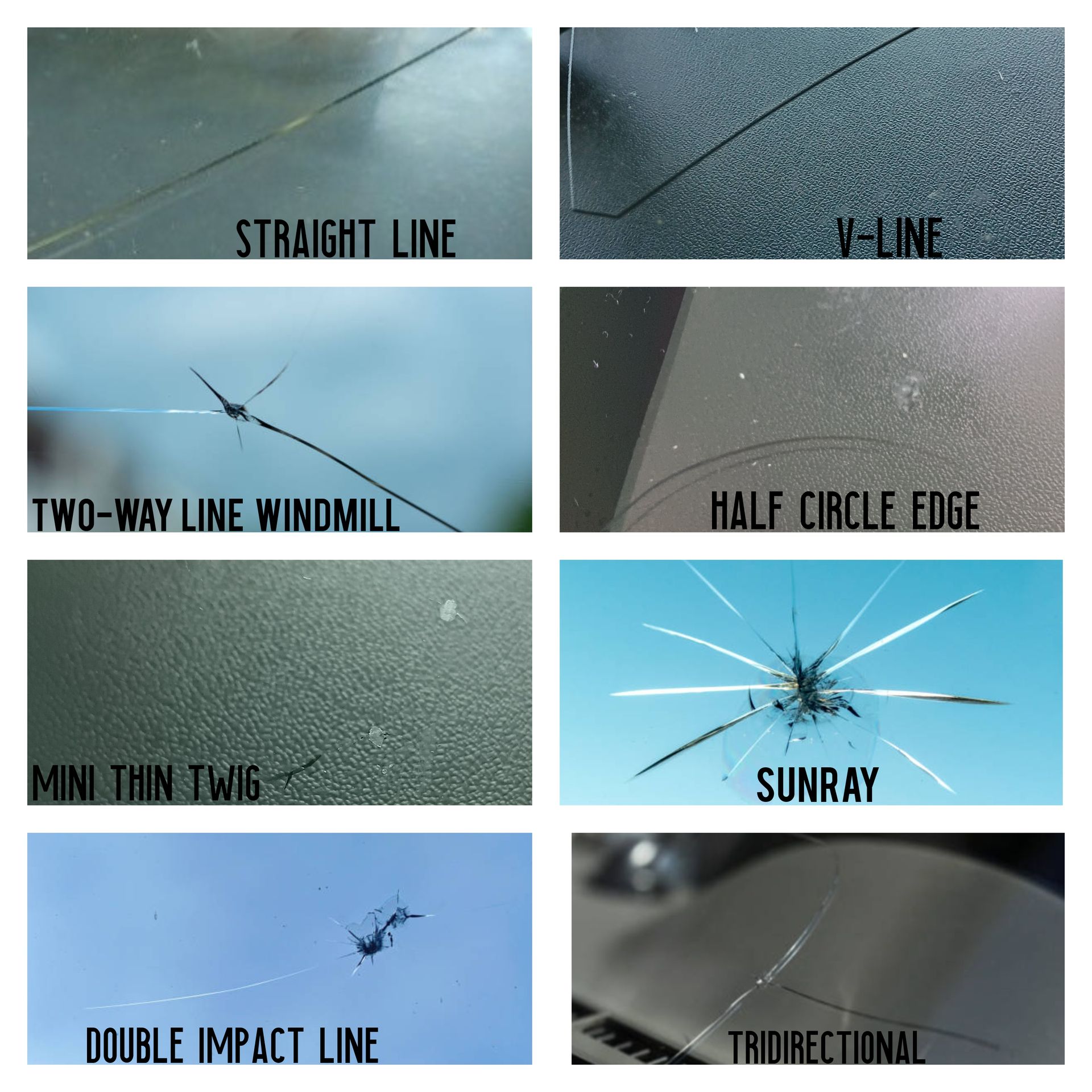
An edge crack is a race against time. It occurs in the area of your windshield that experiences the most stress, causing it to spread more rapidly than other cracks farther from the edge. If detected early, I can halt the spread with an accurate repair; however, if too much time passes, it jeopardizes your vehicle's safety and may necessitate a replacement. Even though I can fix up to 24-inch cracks or longer, and the time passes, I will still make every effort to repair it.